From land and wildlife to a case worth backing.
A tourism strategy, an investment case and introductions to the investors and operators who can act on it. For areas with no tourism plan or product yet.
Nairobi, Kenya · Est. 2025
No wild place in Africa should be lost or struggling for lack of funding. We turn underfunded conservation areas into sustainable tourism economies that pay for their own protection.
A registered Kenyan non-profit, building with communities, states and tourism partners.
The problem
Africa's conservation areas are not short of nature. They are short of the commercial capability to turn that nature into income that pays for its protection. Remote areas look fragmented, high-risk and hard to reach to the operators and investors who could back them — so the deal never gets made.
“Philanthropic funding should finance the transition to self-sustaining conservation, not the perpetual cost of conservation.”
Five reasons the deal never gets made
Managers are trained in conservation, not in running a tourism business.
Without a bankable plan, capital does not reach conservation areas.
Donor funding pays recurring costs and seldom builds a for-profit enterprise.
Assets are often built without a clear route to guests.
Fewer than 3.4% of Africa's hotels are certified as sustainable, so good partners are hard to find and harder to verify.
How we work
Advise, assemble, deliver, exit. It is how a conservation area moves from donor dependency to a tourism business that pays for its own protection — and how we make sure we are paid to leave, not to stay.
We map the land, the wildlife and the community — and shape the case an investor can actually act on.
What it producesInvestment case · tourism strategy · 30–90 days
Our flagship programme
wezesha · Kiswahilito empower. Wildlife Enterprises for Zero-Dependency through Sustainable Tourism and Human Advancement.
A funder-backed venture-building programme that gives conservation areas the commercial capability to fund their own protection. It meets each area where it is, and brings in the right partner to get it to a working tourism business.
Backed by the conservation area itself or by an external funder — through direct engagements or funded cohorts.
A tourism strategy, an investment case and introductions to the investors and operators who can act on it. For areas with no tourism plan or product yet.
Product, operator and management model, market access and the local tourism economy around the asset. For areas with a plan but no business, or a business that underperforms.
21 conservation areas with an investment case by December 2027; USD 10 million+ in new investment mobilised by 2031.
Diagnose and relaunch lodges and camps, and build the tourism economy around each one: guides, experiences and local suppliers.
Help coastal communities earn from the marine areas they protect, and connect those enterprises to tour operators and travel platforms.
Through our Sustainability and Impact Programme and SI in Pello: 100 tourism businesses certification-ready by 2031.
conservation areas running a tourism business model
By 2031people benefiting through direct and indirect jobs and income
By 2031tourism businesses certification-ready
Mainly through SI in Pellocountries in Eastern and Southern Africa
Kenya, Tanzania, then southin new investment mobilised into conservation areas
By 2031Our strategic plan for 2027–2031: the problem, the choices, the missions, the numbers and the governance that holds it together.
The coalition
vetted sustainable tourism businesses, ready to build with conservation areas.
Operators, travel trade, suppliers, mobility and hospitality specialists. When a conservation area needs a partner, we assemble from people we already trust.
Our board
Operators, conservationists and builders who have run the kind of places we work in — and know what it takes to make them last.
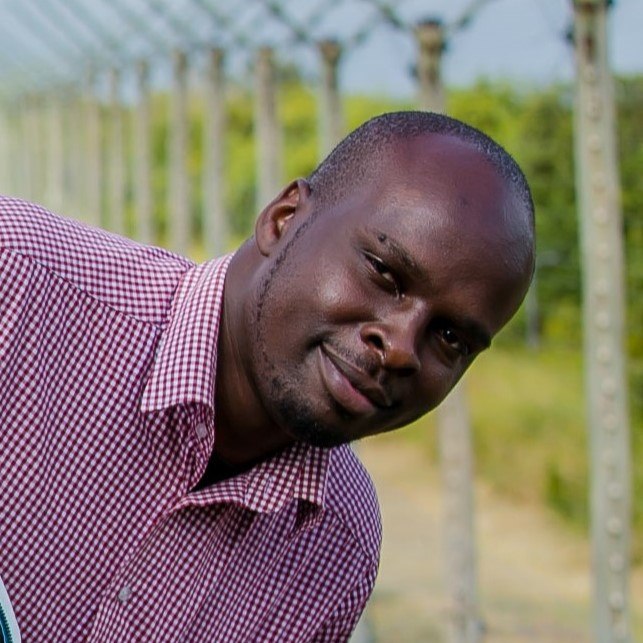
Co-founder & CEO · Board member
Around a decade in protected-area and sustainable tourism, with an MSc in Responsible Tourism Management. A certified sustainability auditor and trainer, and the author of our strategic plan.
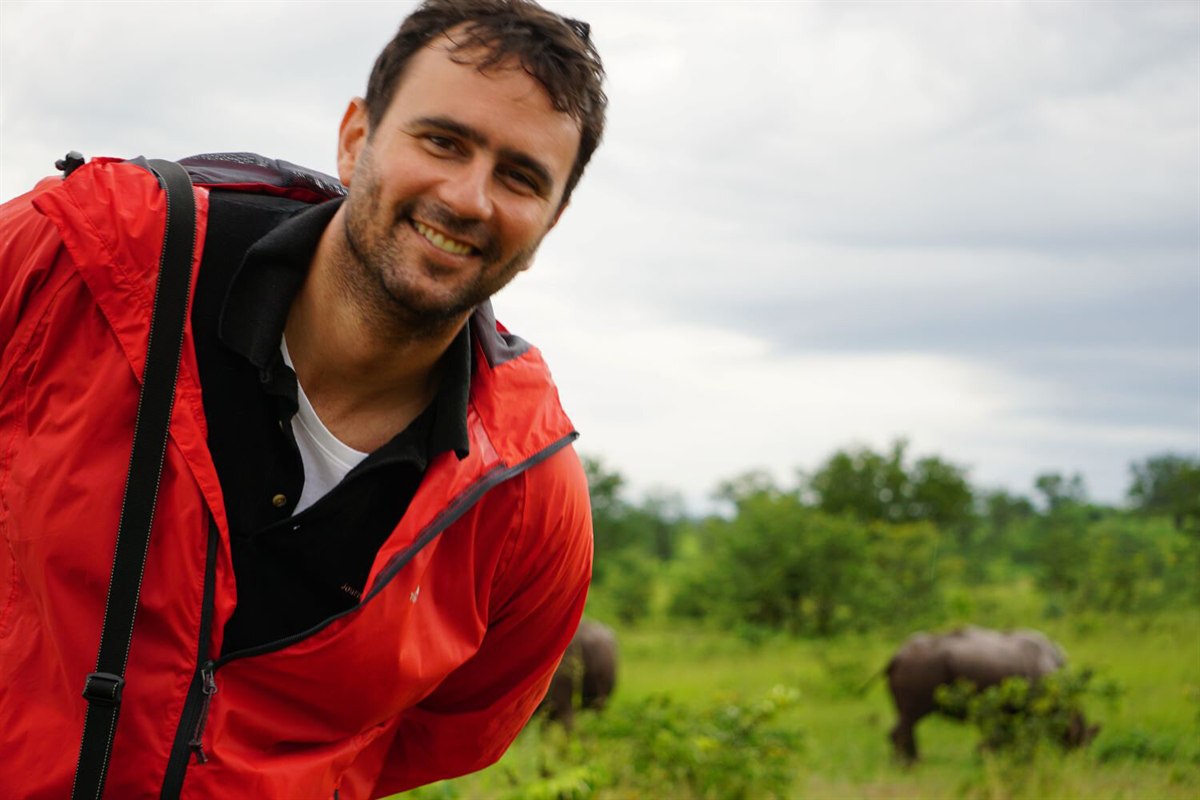
Board member
A conservation tourism operator with first-hand experience of building visitor experiences in rhino country — and a clear eye for what makes a wild place commercially durable.
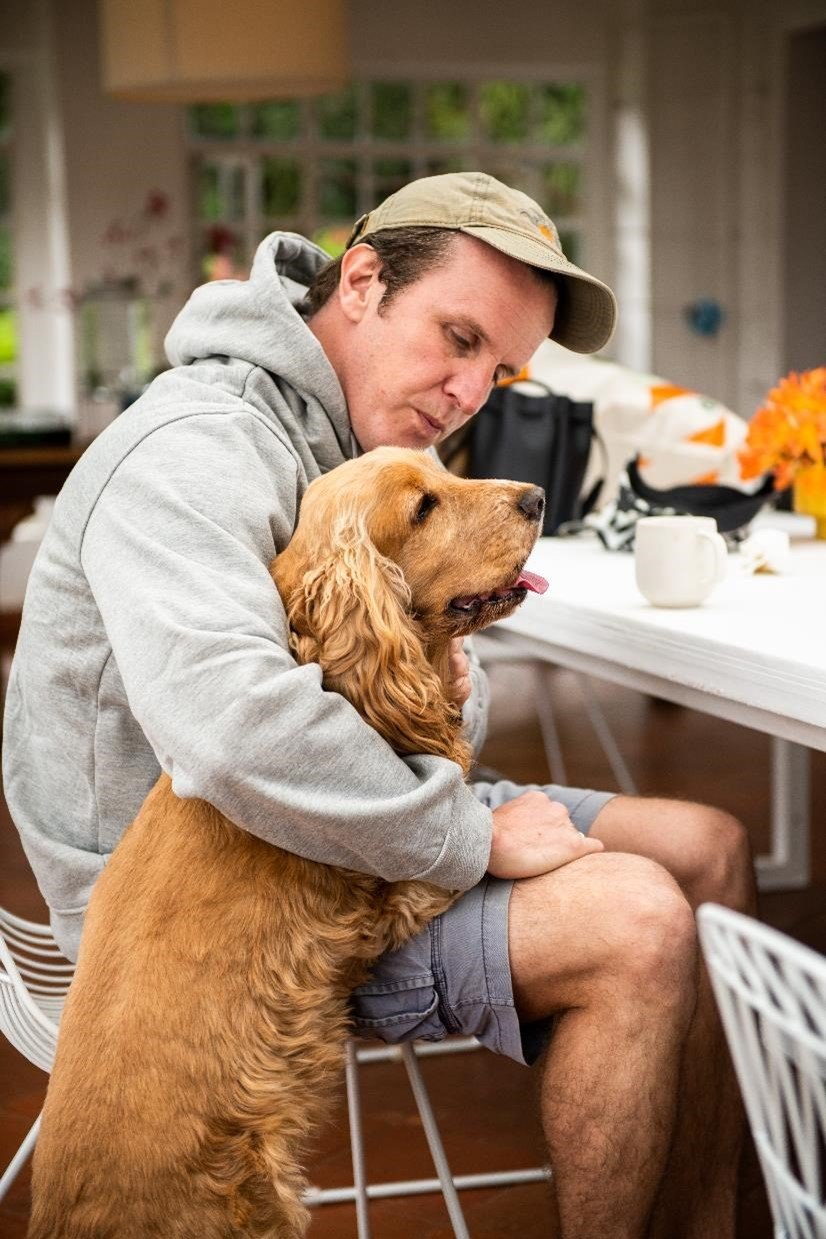
Board member
A governance and finance hand for mission-led organisations, focused on the partnerships and structures that let good work outlive its founders.
Three doors
Tell us where your area is today. Back your own WEZESHA journey, or let us find an external funder with you.
02Back one conservation area. Get first look at the venture deal it leads to, and proof of the investment your grant unlocked.
03Operate, invest or sell in places that need what you do best. Join the coalition.
Your message goes straight to our team. We read every one, and we reply.
We will reply to the email address you gave.